When to go
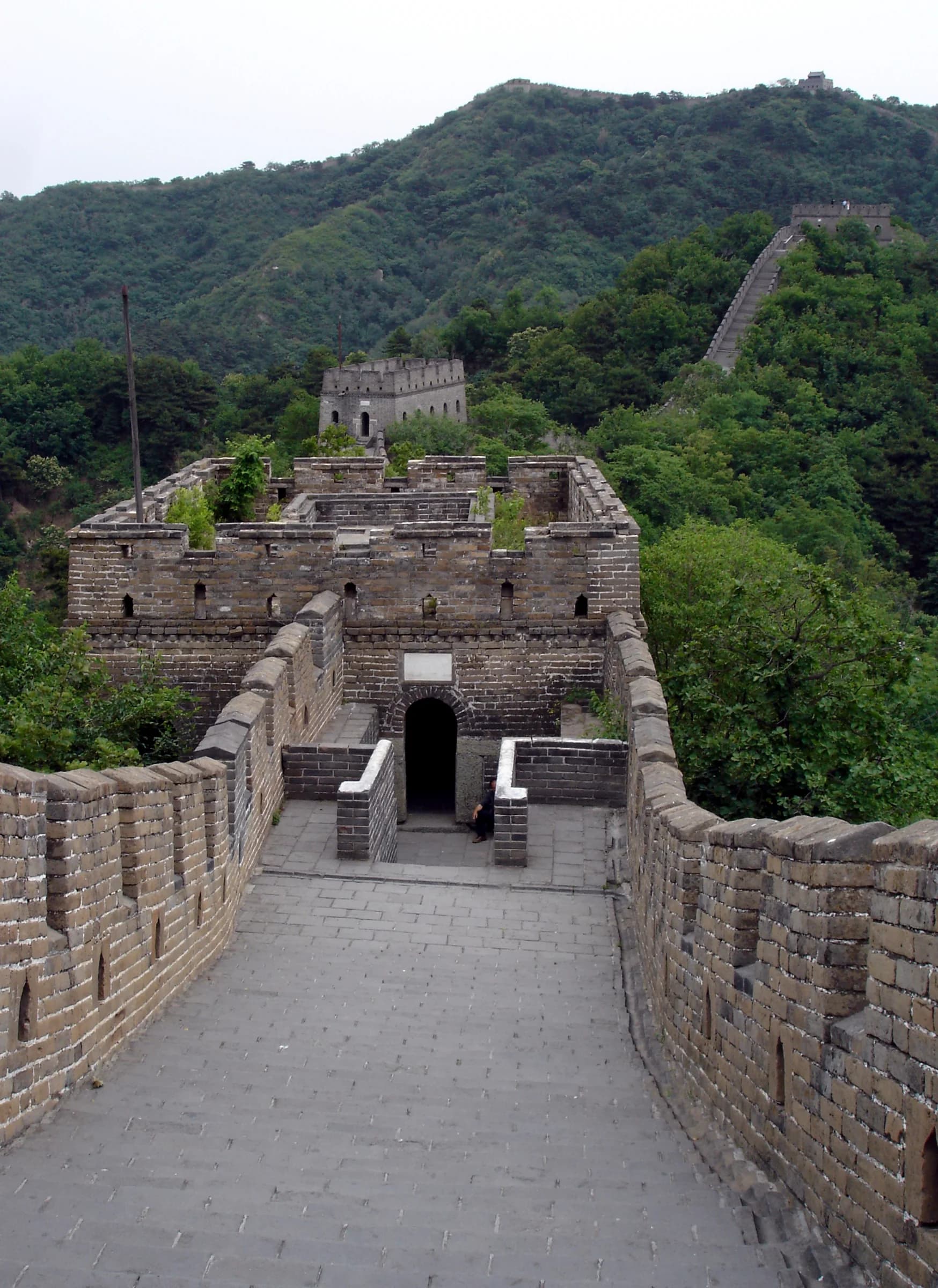
Late April through May and mid-September through October are the broad sweet spots outside public holidays. Winter can be clear and dramatic but genuinely cold. June through August means heat, humidity, thunderstorms, and earlier starts. I protect the Great Wall and open-air monuments with a forecast-led order rather than promising one perfect month.
Hotel logic
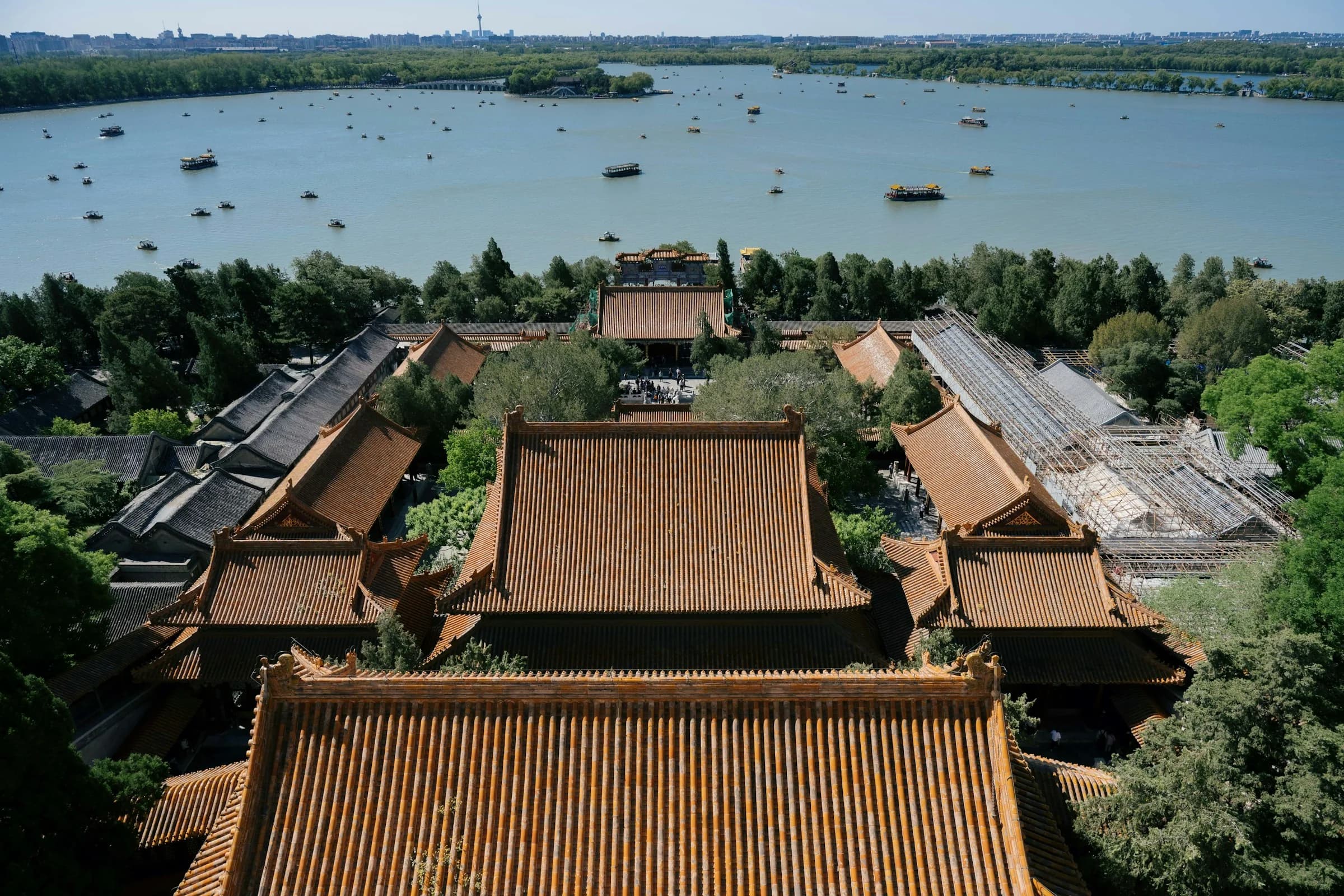
Mandarin Oriental Qianmen is the courtyard-scale choice near the imperial core. Aman Summer Palace is compelling when the garden itself deserves time, but it is not the most efficient base for central Beijing dinners. Rosewood, Bulgari, Peninsula, Four Seasons, Regent, and Waldorf offer more conventional luxury operations in CBD and Wangfujing geography. The PuXuan, CHAO, and Hotel Éclat trade scale for design identity. The base should solve the route before the room solves the view.
Food and reservations
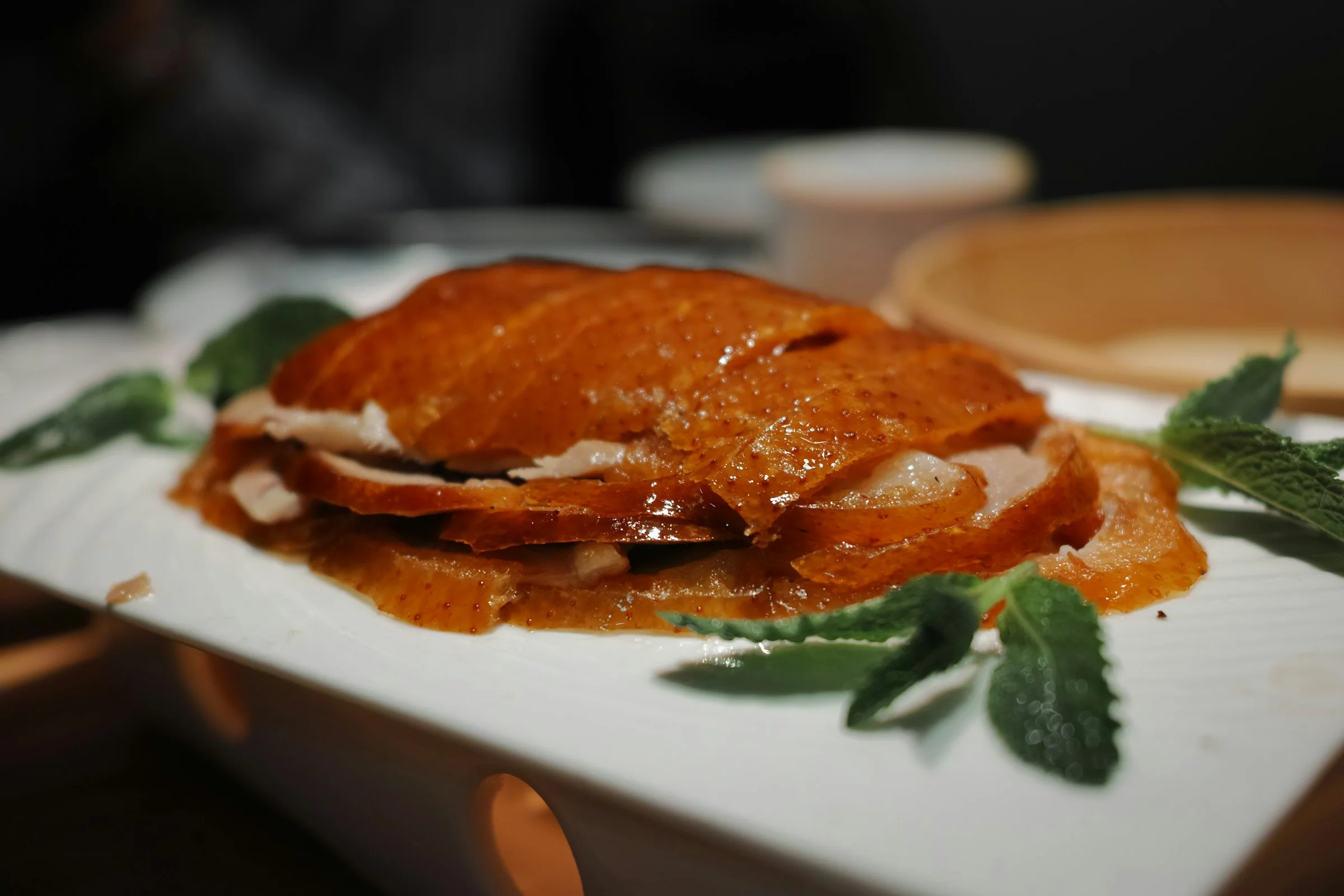
Beijing food is much bigger than roast duck. For a lively, local-leaning duck night, Siji Minfu is a useful lead, while Sheng Yong Xing and Bianyifang solve more specific versions of the dinner. Quanjude is history and ceremony, not an automatic best. Add Jubaoyuan on Niujie for copper-pot lamb, a zhajiangmian comparison at Hai Wan Ju or Fang Zhuan Chang No. 69, and one breakfast route. Exact branch, queue, and same-week opening checks still matter.
What I would avoid
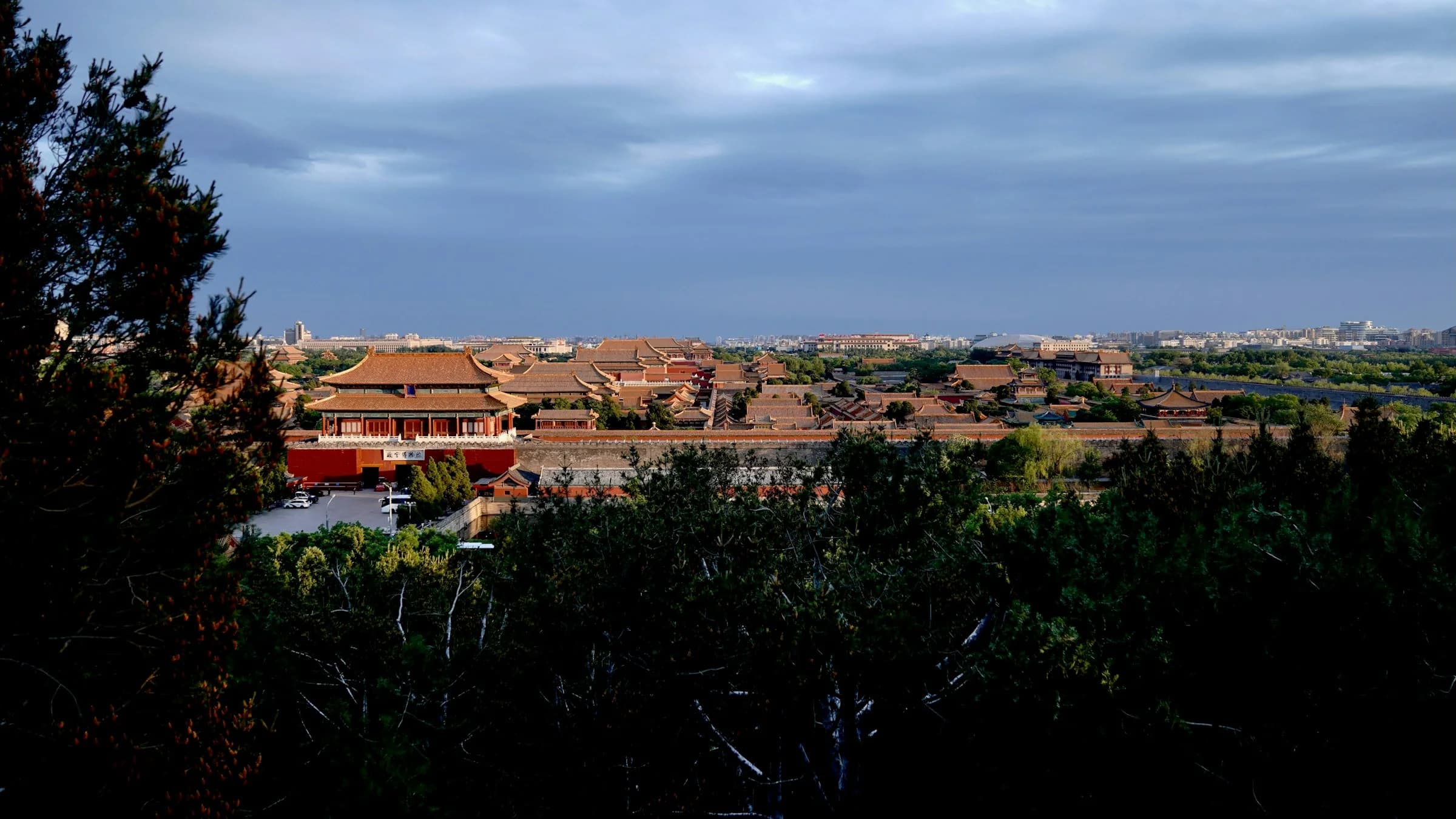
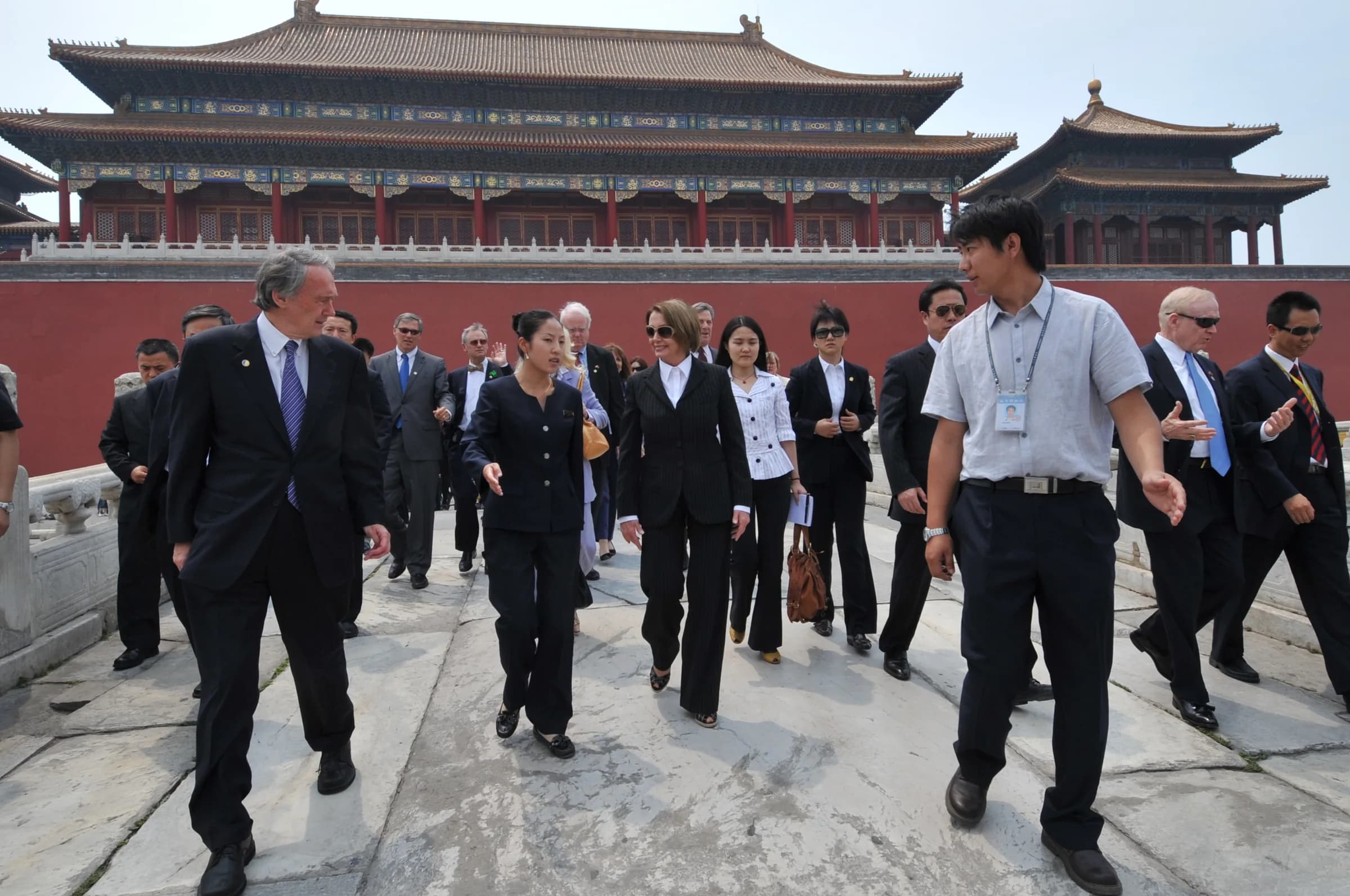
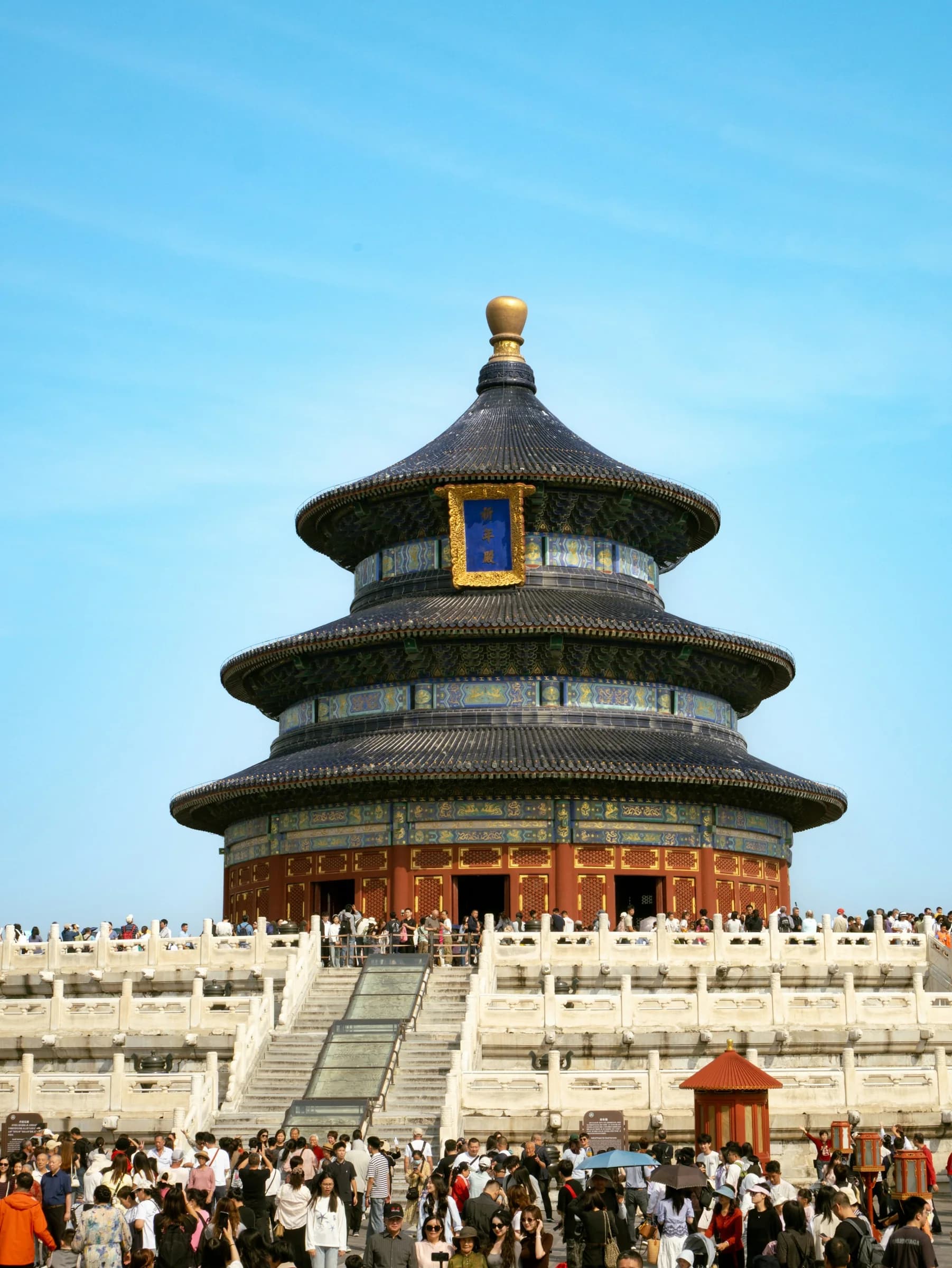
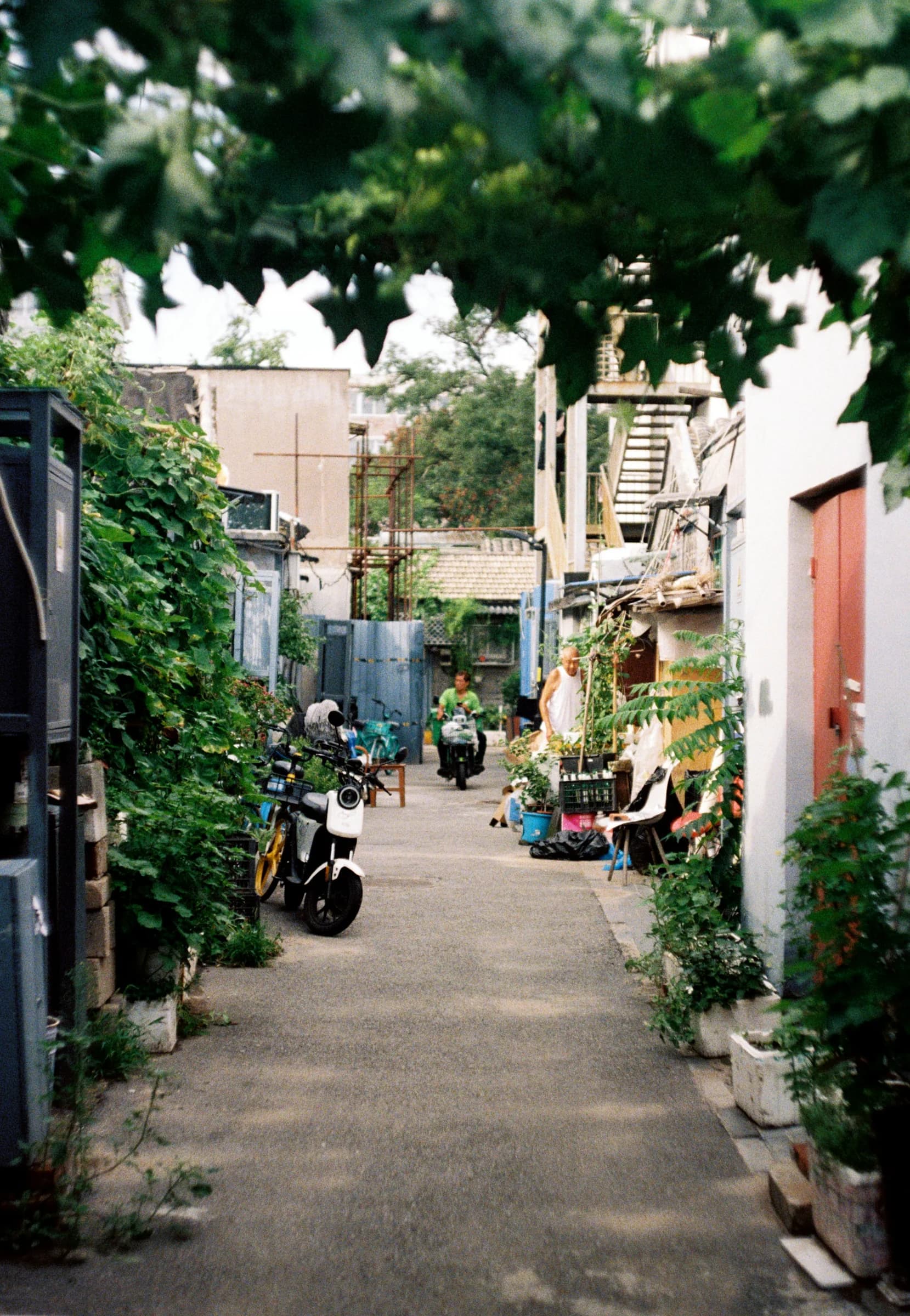
Do not combine the Forbidden City, Summer Palace, and Great Wall in one day. I would avoid peak Nanluoguxiang, Wangfujing snack-street expectations, generic rickshaw circuits, and treating Badaling at midday as the only wall option. A named historian, early access, and one deliberate food route usually add more than another famous pin.

.jpg)
