When to go
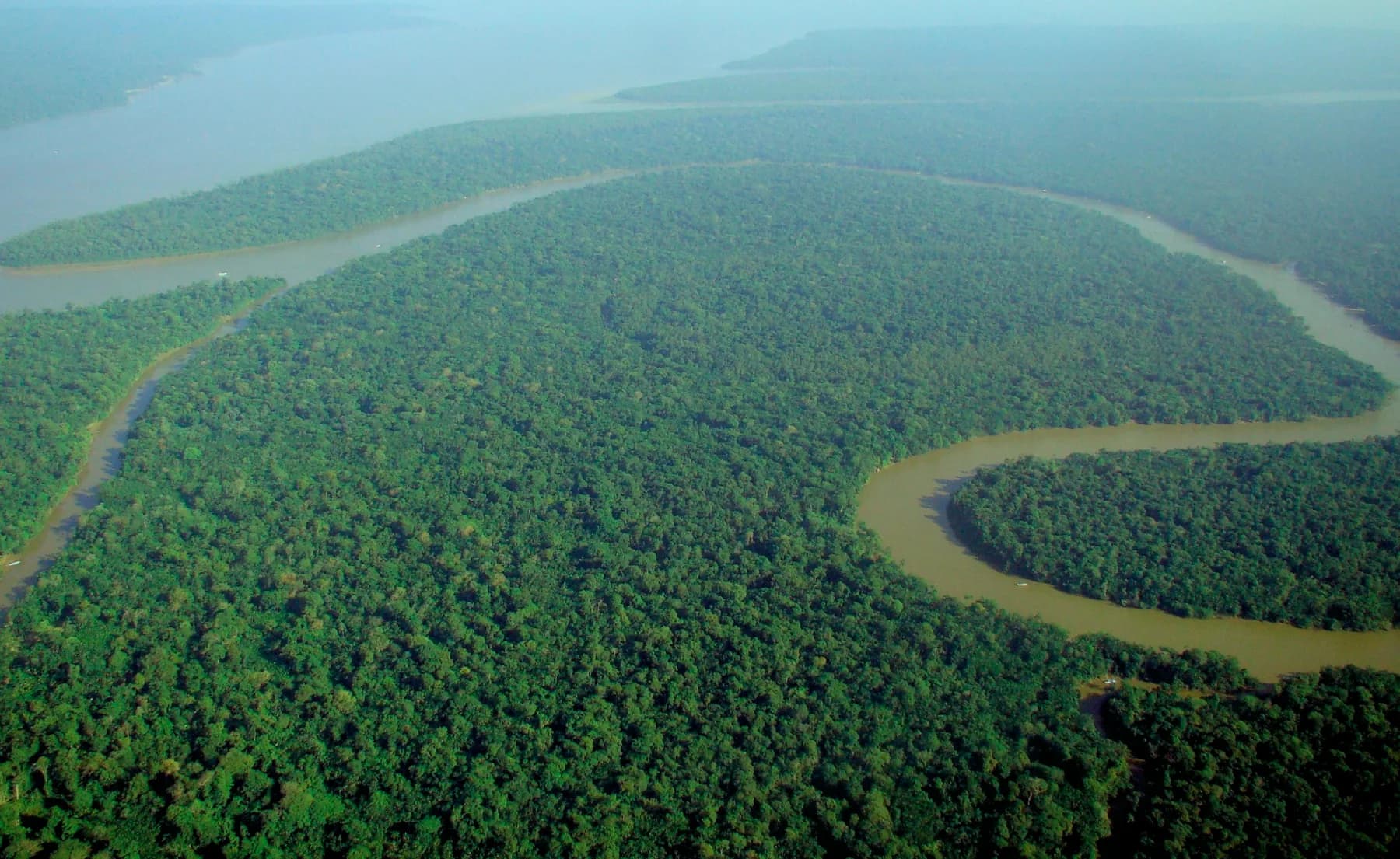
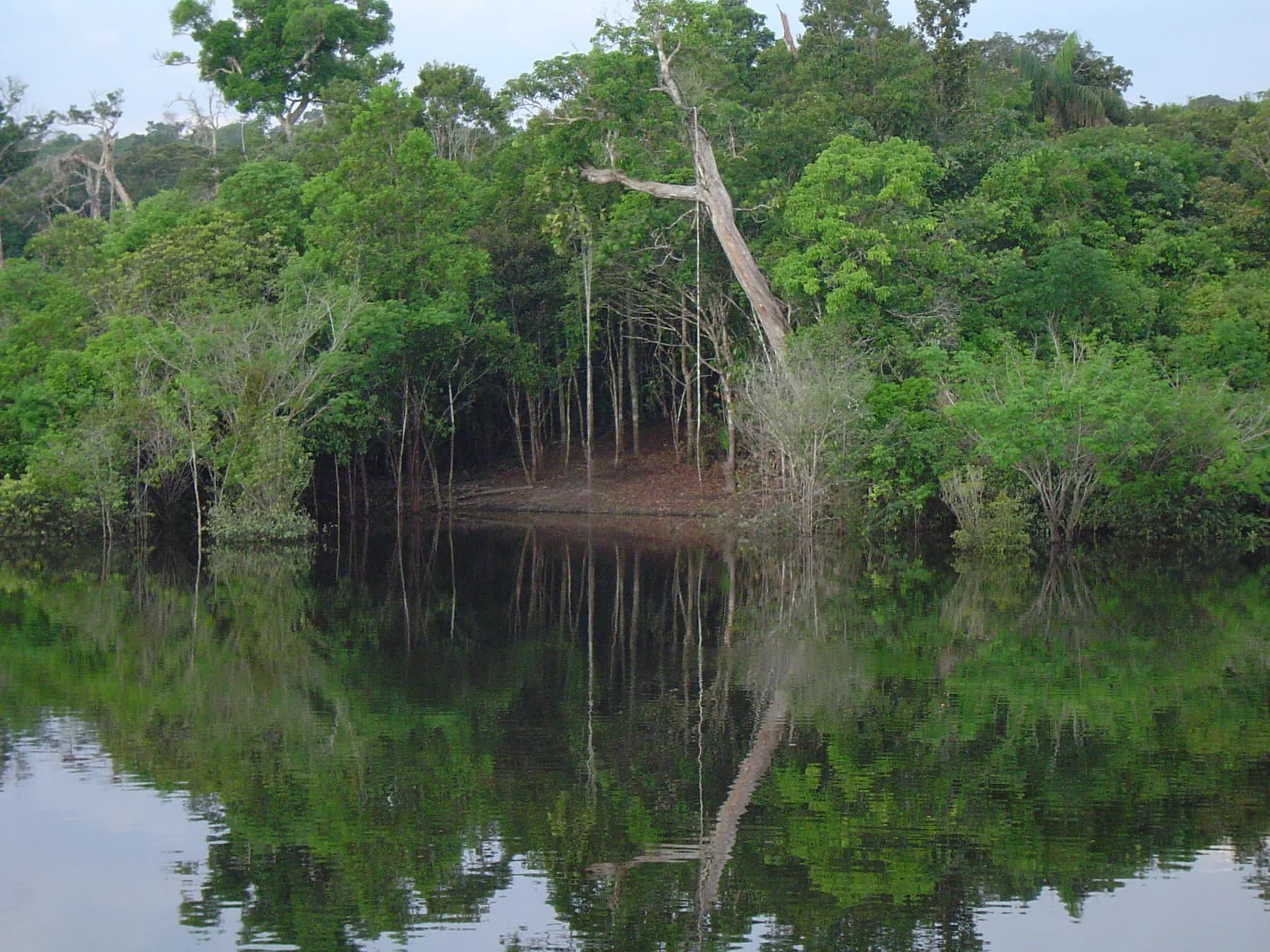
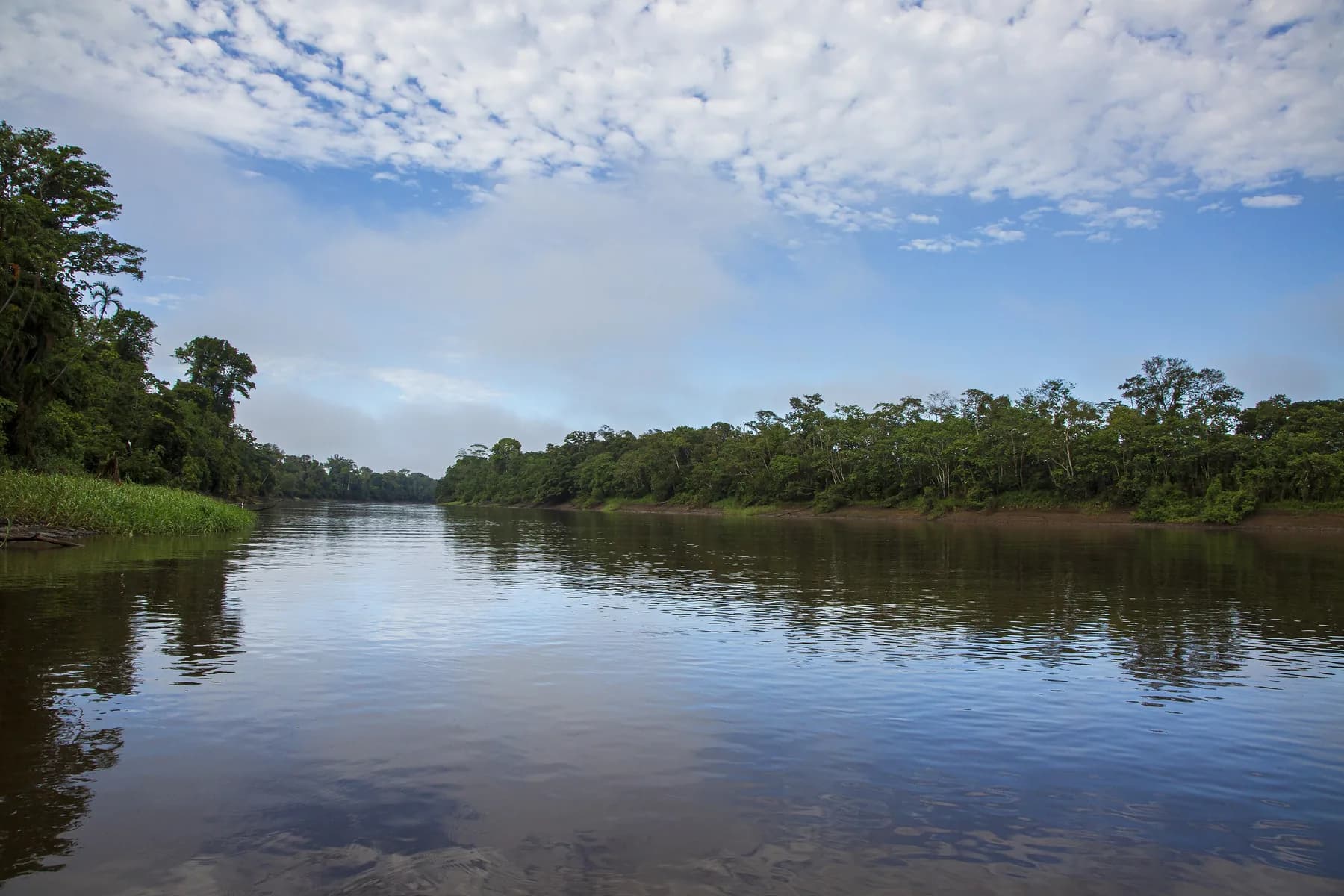
High water opens deeper canoe routes through flooded forest, while low water creates more walking and exposed beaches. Neither season removes rain, and drought, smoke, river levels, and dock access can change the practical answer. I would confirm the exact river system, recent conditions, and operator route close to departure rather than sell one fixed best month for the entire basin.
Hotel logic
The guide, habitat, transfer plan, and operating resilience matter before the suite. Aqua Nera, Aria Amazon, and Delfin I solve high-service cruising in Peru. Napo Wildlife Center brings Kichwa ownership and Yasuní access. Cristalino Lodge is the serious birding and reserve-depth choice. Anavilhanas, Juma, Sacha, La Selva, Inkaterra Reserva, and Tambopata Research Center each create a different balance of access, comfort, and immersion. Exact power, hot water, guide ratio, boat safety, and medical plans need written confirmation.
Food and reservations
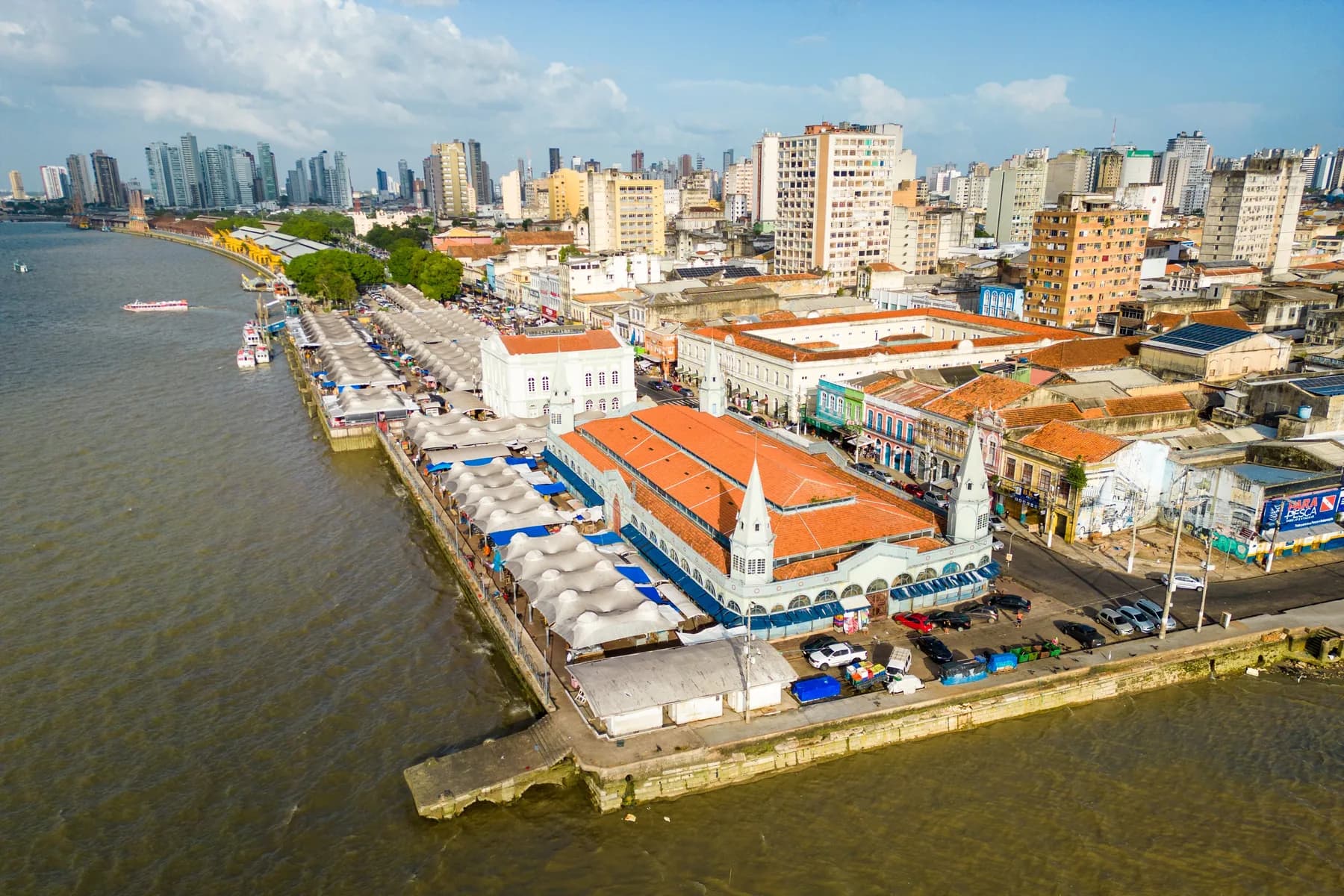
Belém is the basin's strongest food gateway. Remanso do Bosque, Remanso do Peixe, Iacitatá, Point do Açaí, and Ver-o-Peso can explain jambu, tucupi, manioc, freshwater fish, and savory açaí before the forest chapter begins. In Manaus, Banzeiro, Moquém do Banzeiro, and Caxiri give Amazonian ingredients a chef-led frame. Lodge and vessel food should be judged separately from the gateway city.
What I would avoid
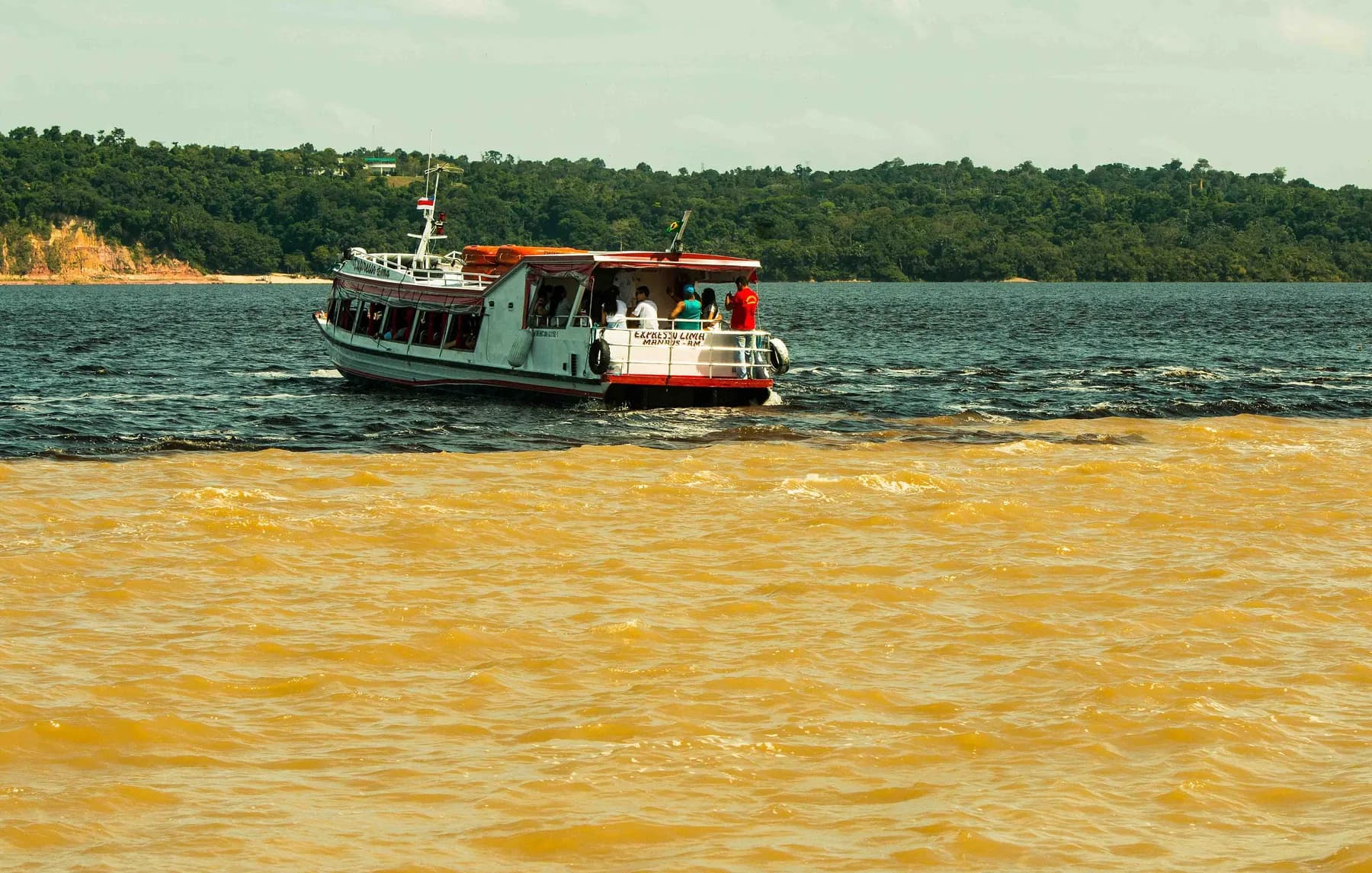
I would avoid any operator that guarantees jaguars, turns wildlife into an animal-selfie stop, or sells a public hammock boat as private expedition comfort. Two nights are usually too short for the transfer effort and natural rhythm. A generic Manaus jungle day is not the same thing as a multi-night Rio Negro or Anavilhanas program, and one Amazon recommendation cannot represent the whole basin.



.jpg)

