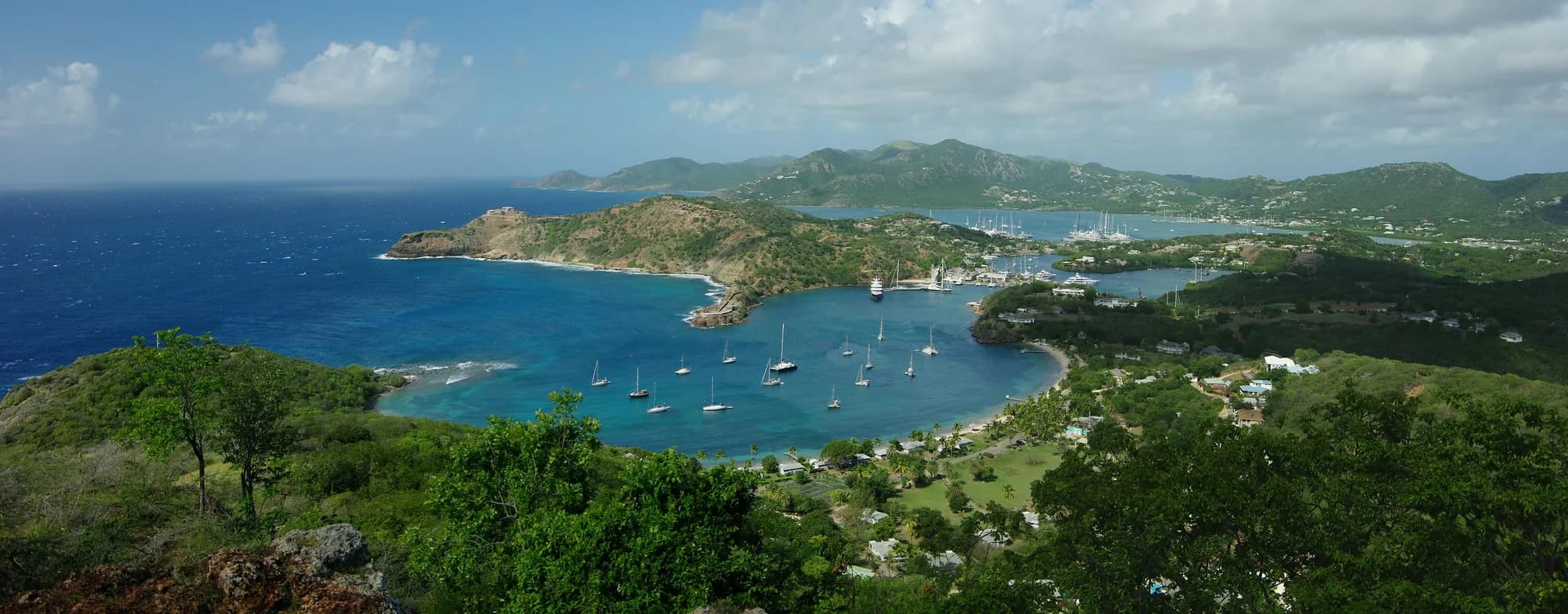
Panoramic view from Shirley Heights over English Harbour and Falmouth Harbour in Antigua

Antigua travel advisor

Antigua works when the beach, harbour, and local table share the trip.

Antigua is the beach-and-sailing Caribbean: many coves, a working Georgian dockyard, a serious private-island ceiling, and a food culture that becomes visible once you leave the resort. The better trip chooses the coast by how you want to live, then deliberately adds English Harbour history and a St John's food day.

English Harbour is the sailing and history base, with Falmouth Harbour and the island's southern coastline opening beyond it. Photo: Balou46, CC BY-SA 4.0

Best for

  • Beach-led couples and families who want resort ease with real island texture
  • Sailing travelers who want English Harbour, Nelson's Dockyard, and one private day on the water
  • Honeymoons or private-island stays deciding between Jumby Bay and mainland Antigua

Carta take

For a first Antigua trip, I would choose five nights and build it in three movements: beach, dockyard, and the local table. One base, one private sailing day, one St John's food and culture day, and enough weather room to move the water plan. That is when Antigua starts to feel like an island rather than a resort address.

How I think about it

When to go

December through April is the cleanest window for beach weather and sailing, with peak demand. May can be useful for culinary programming. June through August is wetter and brings Carnival, while September through November needs a written storm, closure, and reopening check before the lower rate means anything.
Hotel logic

Jumby Bay is the clearest private-island choice for seclusion, staffed estates, and family privacy, but every mainland plan adds a boat. Curtain Bluff gives the classic mainland resort with two-coast character. Hermitage Bay is the intimate nature-and-couples answer, while Carlisle Bay gives families and mixed generations more activity range. The base should solve the trip before the room solves the view.

Food and reservations

Roti King is the everyday St John's lunch, with chicken roti, macaroni pie, and stew chicken in the research. Zelma's Kitchen adds charcoal meats, locally landed fish, rice and peas, and house drinks by the water. Annette's, Cutie's, and One Stone help explain traditional breakfast, fungi, and Ital cooking, while one polished beach meal can carry the view without pretending resort dining is the whole island.

What I would avoid

I would not turn 365 beaches into a checklist, use Shirley Heights as the island's best meal, or stay inside the resort for a full week unless the reset is the point. Nelson's Dockyard also needs a historian and labor context. Without that, a globally important working harbor can shrink into yacht scenery.

A closer look

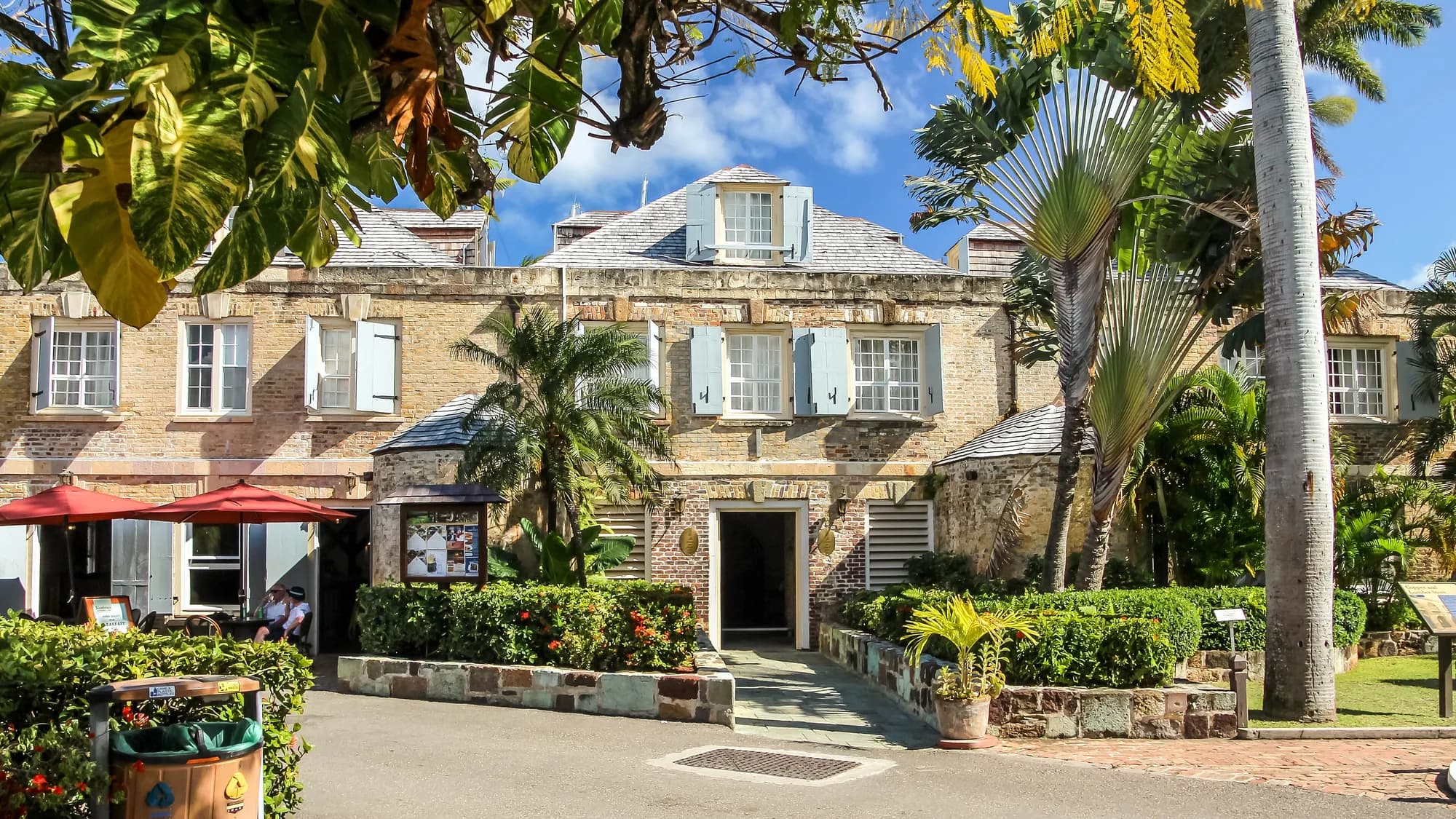
Historic stone building and palm trees at Nelson's Dockyard in English Harbour, Antigua
Nelson's Dockyard remains a working Georgian harbor, and it deserves more context than a quick yacht-season walk.Photo: Dr. Thomas Liptak, CC BY 4.0
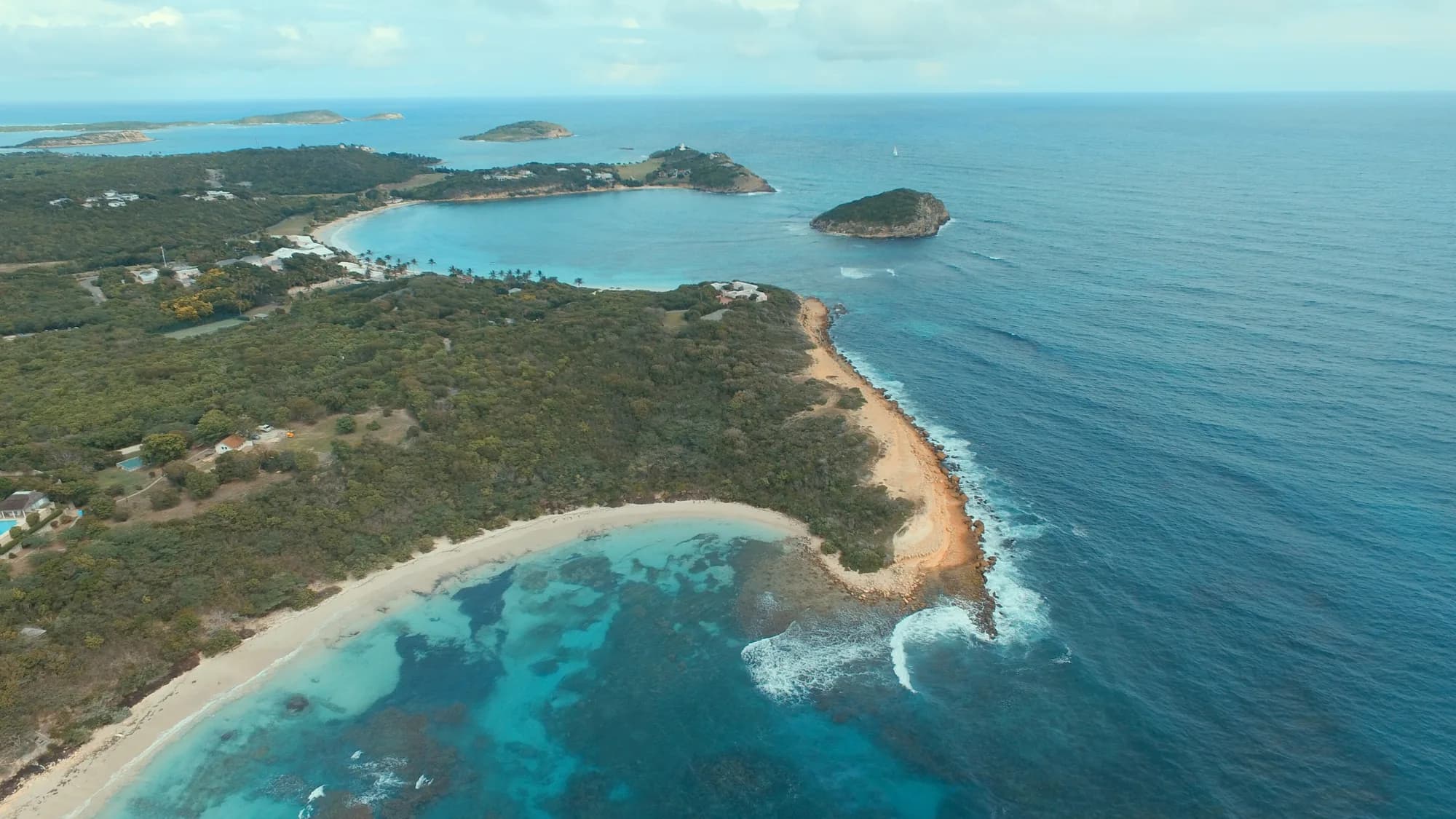
Aerial view of Half Moon Bay and Exchange Bay on Antigua's Atlantic coast
Half Moon Bay shows why beach choice should follow live conditions and the kind of day the traveler actually wants.Photo: Андрей Бобровский, CC BY 3.0
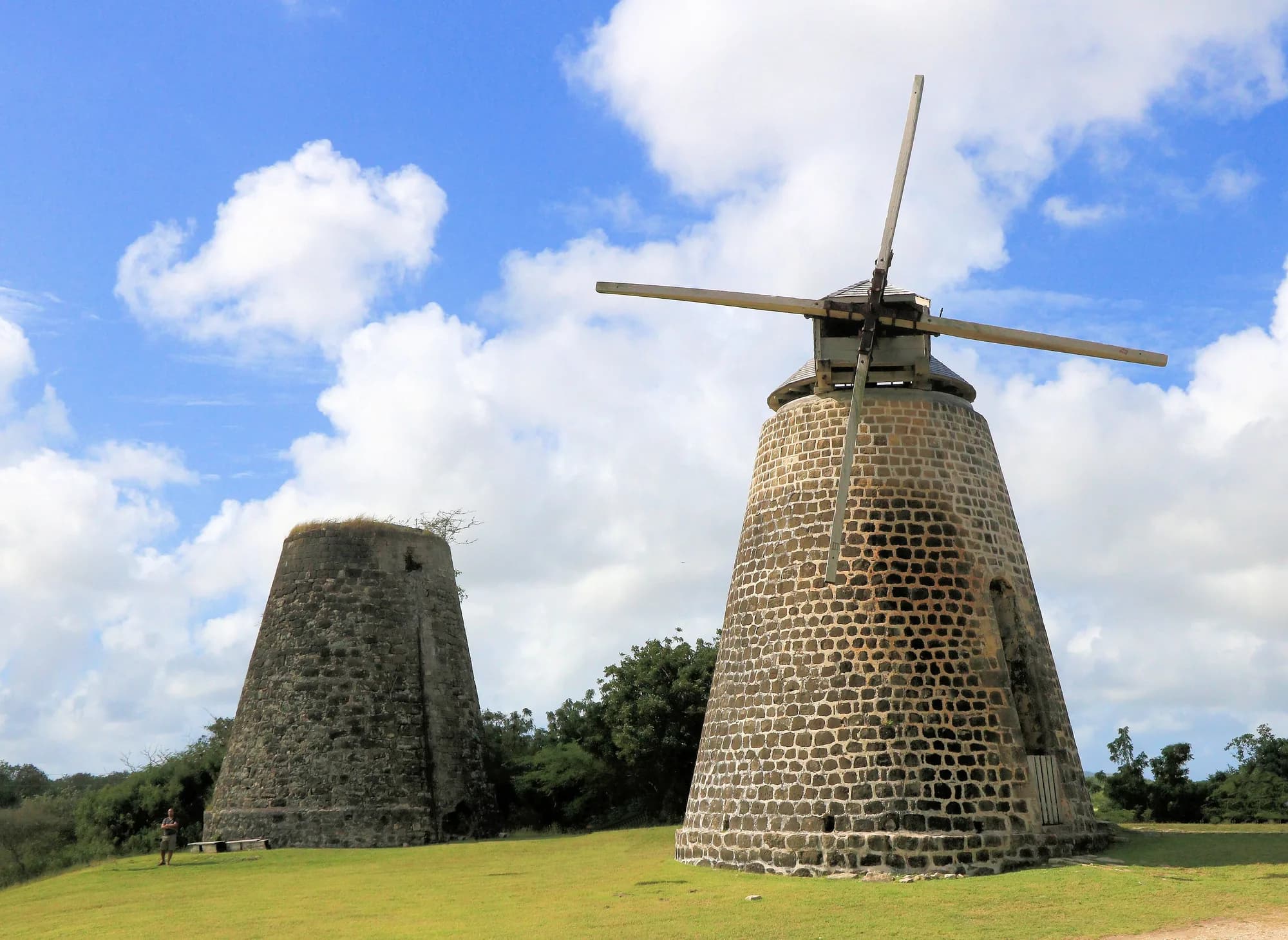
Restored stone sugar mill with sails and a second mill tower at Betty's Hope in Antigua
Betty's Hope belongs in the island's labor and plantation-history story, not as an isolated photo stop.Photo: Paul Harrison, CC BY-SA 4.0
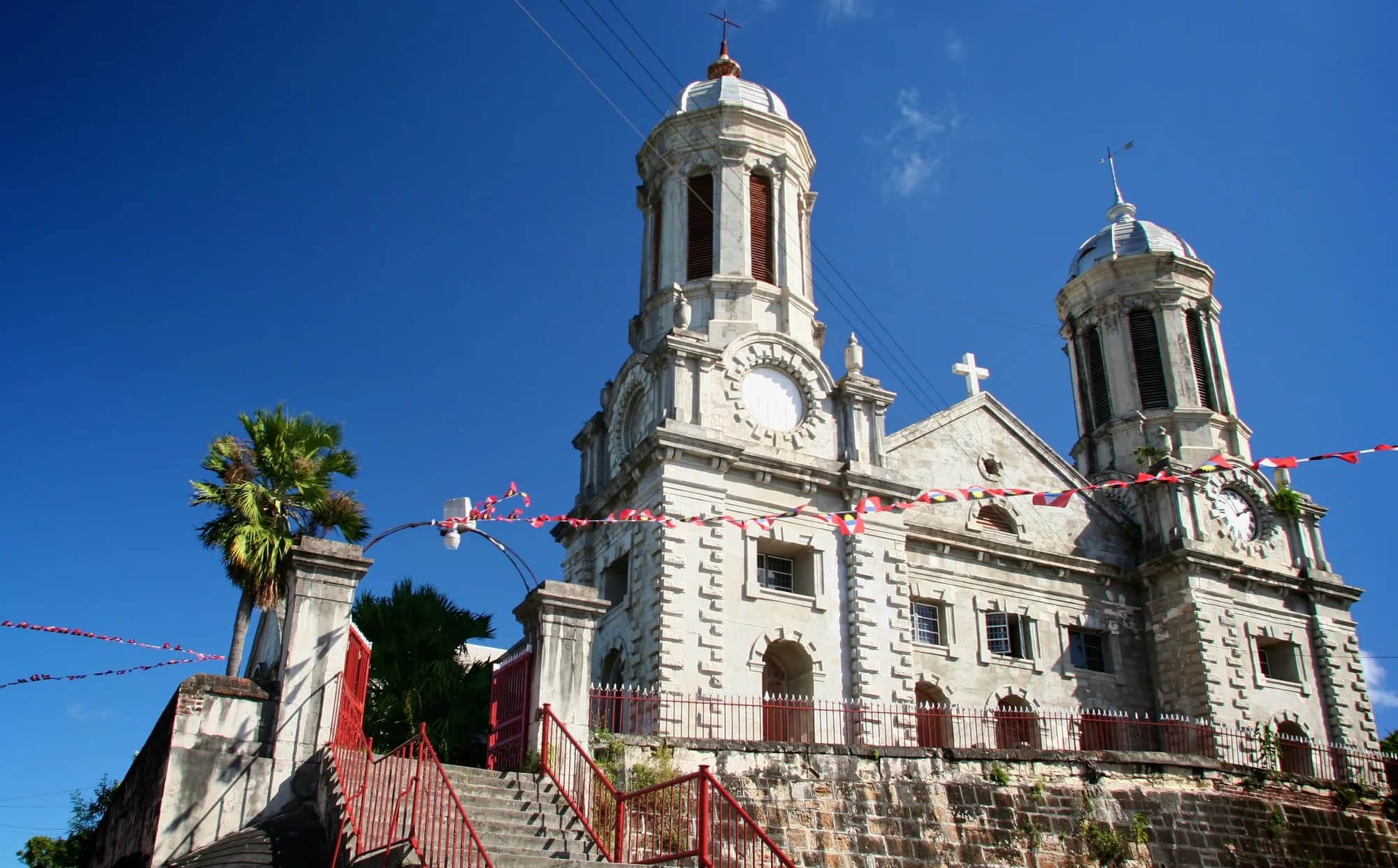
White twin towers and front steps of St John's Cathedral in Antigua
St John's is the food and culture day that keeps an Antigua trip connected to island life beyond the resort.Photo: D'Arcy Norman, CC BY 2.0
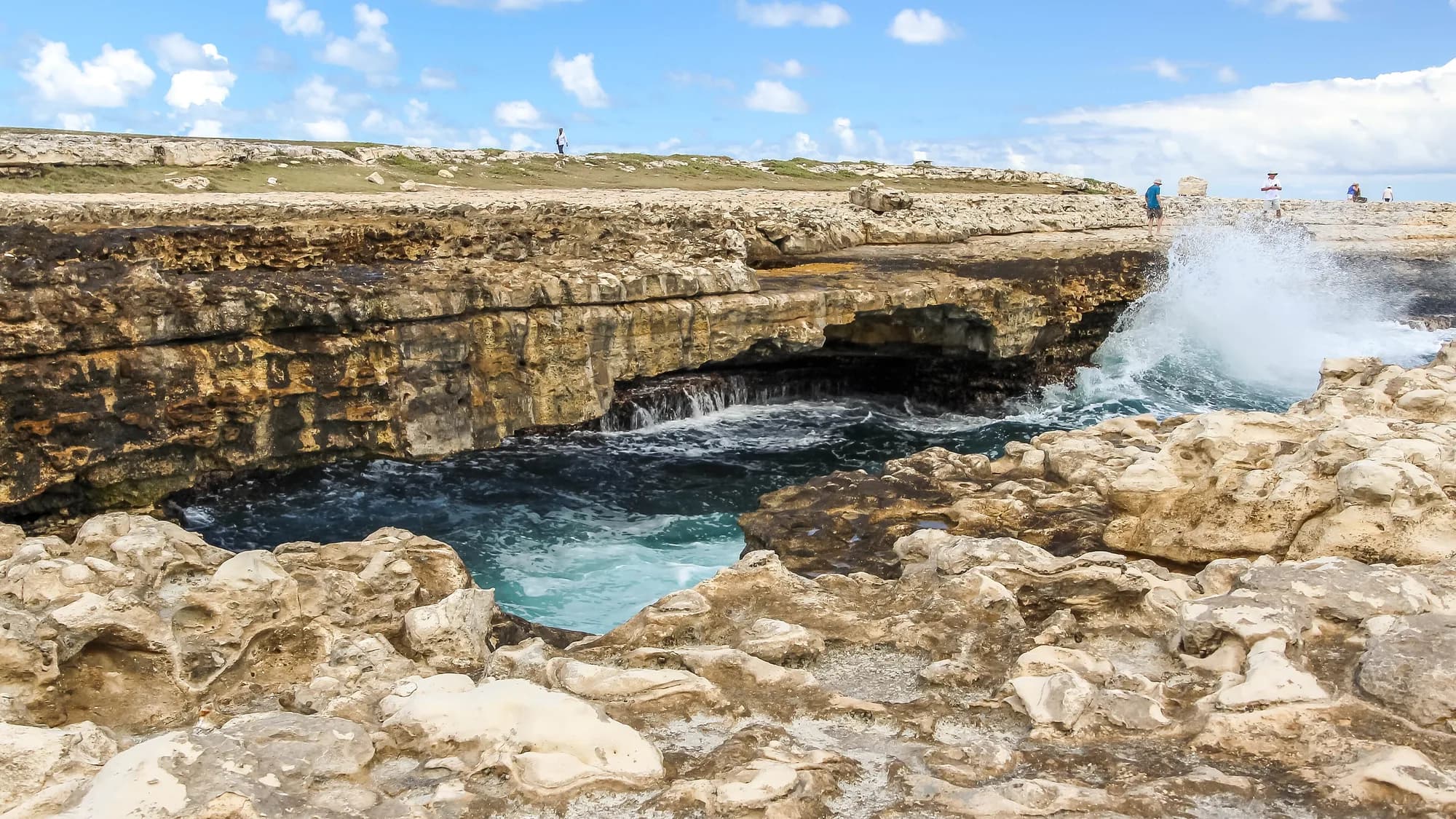
Sea spray breaking across the limestone coast at Devil's Bridge National Park in Antigua
Devil's Bridge works best with geology and history, plus enough distance from the surf when the Atlantic is active.Photo: Dr. Thomas Liptak, CC BY-SA 4.0

Planning notes

Choose the coast by trip job

English and Falmouth Harbour solve sailing, history, and walkable dinners. The southwest solves quieter resort beaches. Jolly Harbour solves villas and west-coast access. Jumby Bay solves privacy, with a boat attached to every mainland impulse.

Give the Dockyard its full story

Nelson's Dockyard, its museum, Fort Berkeley, Dow's Hill, and Shirley Heights make more sense as one defensive and working harbor system. A social historian keeps the visit from becoming colonial scenery without context.

Leave the resort for the food that explains Antigua

Roti King, Zelma's Kitchen, Annette's, Cutie's, One Stone, and a current fungi-and-pepperpot or ducana-and-saltfish lead give the trip a local table. Traditional counters are daytime plans, not safe late-night assumptions.

Keep the water day movable

Private sailing, Cades Reef, Barbuda, and offshore transfers all depend on weather, sea state, and timing. I protect one flexible window rather than forcing the boat day into conditions that do not deserve it.

Before you choose the hotel

Use fit, not just stars.

The free Hotel Fit Guide shows how to compare location, room category, service style, and the rhythm you actually want.

Trip shapes

The page is not the plan. It is the first cut.

I use these guides as starting points, then turn the right version into a private trip hub with dates, addresses, bookings, notes, and support.

3 nights

Use one base, one beach or sailing day, Nelson's Dockyard with context, and one local-food layer. Leave Barbuda for a trip with more slack.

5 nights

The cleanest first shape: two reset blocks, English Harbour, one private water day, one St John's food and culture day, and a weather buffer.

7 nights

Add Barbuda or a deeper offshore chapter, plus a second heritage or food day. The extra nights should create range, not daily cross-island commuting.